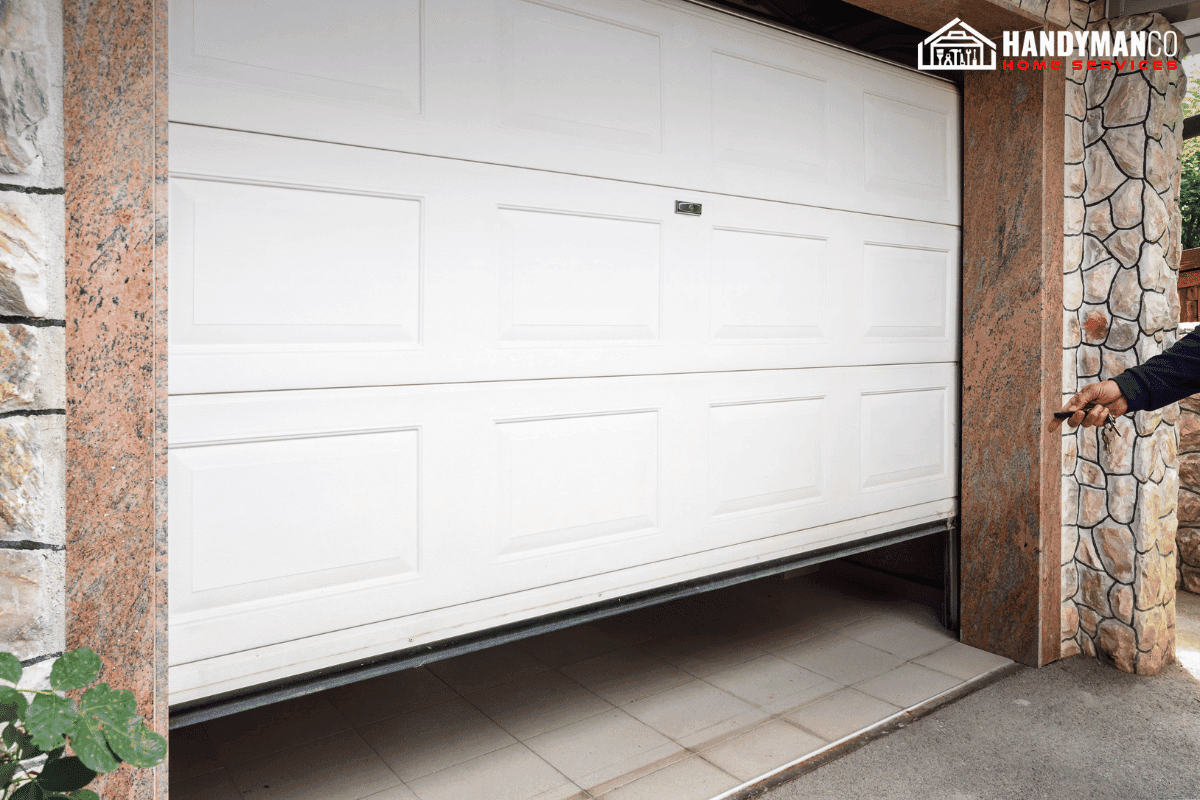
A garage door that will not close is stressful, but most of the time, the cause is simple. Think dust on the safety sensors, a setting on the opener, or a small obstruction at the threshold.
Other times, it’s a mechanical fault like worn rollers or track misalignment.
We’ll walk you through a clear order of operations so you can diagnose fast, fix what is safe, and know when to call the pros.
Key Notes
Dirty or misaligned safety sensors cause most of the closing failures; clean and realign first.
Never touch springs or cables – high tension can cause severe injury, requiring professional repair.
Adjust down travel limits and close force in small increments; test after each change.
The door should stay halfway when manually lifted; falling indicates broken or worn springs.
Before You Start: Safety And When To Stop
Unplug the opener or switch the breaker off when inspecting wiring or sensors.
Keep hands and tools away from torsion or extension springs, lift cables, and the center bearing. These parts are under high tension and can cause severe injury.
Stop and call a professional if you see a broken spring, frayed cable, a door that has come off the track, or if the door is very heavy and will not stay half open when tested manually.
How To Diagnose Fast: Sensor vs Electrical vs Mechanical
Use this 60-second flow:
Look at the photo-eye sensors near the floor. Are both LEDs solid and not blinking when you press ‘Close’?
Try the wall button vs the remote. If the wall button closes but the remote will not, it is a control or signal problem, not a door problem.
Pull the emergency release cord to disengage the opener, then move the door by hand. If the door is hard to move or crooked, you have a mechanical issue. If it glides smoothly and stays half open, the opener or sensors are likely at fault.
Listen and watch. Clicking with no movement suggests springs, trolley, or opener internals. A smooth motor that reverses near the floor suggests sensors, travel limits, or close force.
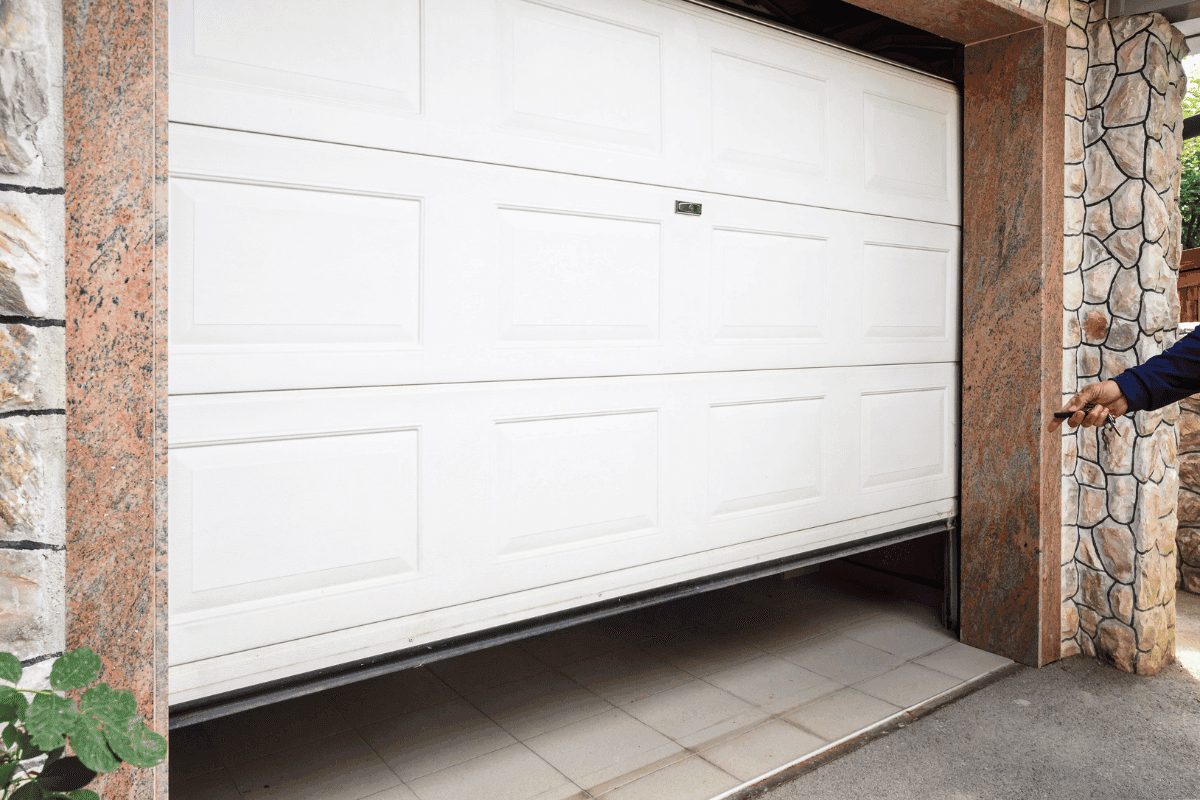
The Fixes
Fix 1: Clear and Realign Safety Sensors
This is the number one reason a garage door will not close. Gently wipe each lens with a dry cloth to remove dust and spiderwebs. Confirm the brackets are tight and not sagging.
Alignment: Loosen the bracket screws just enough to nudge the sensors until both LEDs are steady. A simple trick is to run a taut string between sensors and align both lenses to the string height. Tighten screws, then test the door.
Functional test: Pass a broom handle between sensors while the door is closing. The door should stop or reverse. If it ignores the obstruction, call a pro to inspect the safety circuit.
Fix 2: Confirm Sensor Power And Wiring
LED off or blinking is your clue.
If one light is off, check for a disconnected pigtail, nicked wire, or a loose wire at the opener terminals. Re-seat connections with power off.
If both lights are off, verify the opener outlet and breaker, and inspect the low voltage lead for staples through insulation or corrosion at the sensor terminals.
Sensors can fail internally. If they are clean, aligned, and powered but still inconsistent, replacement is usually the fastest fix.
Fix 3: Clear The Threshold
Even a small ridge can fool the opener into thinking it hit an obstruction.
Sweep away debris, gravel, leaves, and ice. Check the bottom seal for tears that bunch up.
If the concrete is uneven, the door may seal on one side and bounce. Adjust the down travel slightly or replace worn weather stripping.
Fix 4: Check Opener Power & Breakers
Opener unresponsive or acting odd?
Confirm the plug is seated and the GFCI has not tripped. If it has, reset and investigate why it tripped.
Hard reset: Unplug for 30 seconds, plug back in. This clears minor logic glitches.
Fix 5: Wall Control Lock Feature Off
Many wall consoles have a lock button that disables remotes and keypads. If the door closes with the wall button but not with remotes, look for a “lock” icon or LED.
Unlock according to your model and retest.
Fix 6: Remote Batteries, Range, Antenna & Reprogramming
Replace remote batteries with fresh ones. Test from a few feet away.
Straighten the opener’s hanging antenna and keep it clear of metal obstructions.
Reprogram the remote with the opener’s Learn button. If a second remote works and the first does not, the first remote likely needs replacement.
Fix 7: Make Sure The Emergency Release Is Not Disengaged
If someone pulled the red cord, the trolley would be disconnected.
Slide the trolley back into the carriage by running the opener until it clicks back in, or follow your model’s reconnect steps. Then test.
Fix 8: Clean Tracks, Tighten Brackets, Do Not Lubricate Tracks
Tracks are guides, not bearing surfaces.
Wipe inside faces with a dry cloth to remove grit and hardened grease. Do not apply lubricant to the track itself. Lube attracts dirt and causes binding.
Tighten all track mounting brackets and header angle iron. A loose bracket can twist the track and stop the door early.
If you see minor bends, a careful tweak with a rubber mallet can help. Severe dents or out-of-plumb tracks are a pro repair.
Fix 9: Lubricate Or Replace Worn Rollers And Hinges
Dry rollers add friction; the opener reads as an obstruction.
Use a silicone or garage door-rated spray on roller stems, hinges, and bearings. Wipe excess.
Flat, spotted nylon rollers or cracked wheels should be replaced. If replacement requires lifting the door or removing hinge sections, hire a pro.
Fix 10: Adjust Down Travel Limit
If the door stops an inch short and then reverses, the down limit is likely set too short.
Find the travel limit screws or dials on the opener. Turn the down adjustment a small increment in the direction that increases travel.
Test and repeat until the door seals but does not crush the floor.
Fix 11: Adjust Close Force Setting
If normal friction makes the door reverse, bump the close force slightly.
Increase in small steps, testing after each change.
If you need a large increase to make it close, you are probably masking a mechanical problem. Go back to Fixes 8 and 9.
Fix 12: Test Door Balance And Inspect Springs
With the opener disengaged, lift the door halfway and let go. A balanced door stays put. If it falls or shoots up, the spring tension is off.
Look for gaps in torsion springs, stretched extension springs, or rust and cracking. Spring work is not a DIY task. Call a professional to replace and balance safely.
Fix 13: Look For Track Misalignment or Door Binding
Signs include a crooked door, rollers riding the track edge, scraping noises, or a visible gap between roller and track.
Minor alignment can be corrected by loosening the track bolts slightly, tapping the track into line with a level, then re-tightening. If the door still binds, stop and call a pro.
Fix 14: Inspect Chain or Belt Tension & The Trolley
A drooping chain or belt can slip and stall. Use the manufacturer’s tension guide to snug without over-tightening.
If the trolley is cracked or the drive gear is shedding plastic dust, an opener rebuild or replacement is in order.
Fix 15: Consider Opener Logic Board or Motor Faults
Persistent flashing lights, random behavior, or clicking without movement can point to a failing circuit board or motor capacitor.
At this point, repair may be possible, but replacement is often more reliable and cost-effective, especially on older units.
Special Scenarios Explained
Stops Before The Floor
Start with sensors, threshold debris, then down travel and close force adjustments. Add lubrication to rollers and hinges. Check for stiff sections or bent track.
Closes With Wall Button But Not Remote
Replace batteries, turn off lock mode, straighten the antenna, reprogram the remote, and the keypad. Test multiple remotes to isolate the issue.
Motor Clicks, But Door Does Not Move
Check springs and cables first. Verify the emergency release is engaged, look for track binding, and inspect the trolley and drive gear.
Sensors can also prevent movement if the opener reads a fault.
Manual vs Automatic Differences
Manual doors have no sensors or electronics. Focus on springs, tracks, rollers, hinges, and balance. Automatic doors add sensors, logic board, travel and force limits, and radio controls to the checklist.
What Homeowners Can Safely Do vs What Needs A Pro
Generally Safe For Homeowners
Clean and align sensors. Replace remote batteries and reprogram remotes.
Sweep tracks, wipe lenses, tighten visible hardware, replace bottom seal.
Lubricate rollers, hinges, and springs lightly with garage door lube. Do not lube tracks.
Make small travel and force adjustments with careful testing.
Pro Only
Spring or cable repair and replacement, heavy track re-sets, doors off track, opener internal repairs, wiring faults, and any work requiring door disassembly or lifting the full door weight.
Preventive Maintenance To Avoid Future Garage Door Problems
Monthly: Wipe sensor lenses, confirm steady LEDs, run a close cycle with a 2x4 block under the door to test auto reverse, and listen for new noises.
Every 6 months: Tighten all brackets and hinges, clean tracks, lubricate moving parts, inspect rollers for flat spots, and check the weather seal.
Annually: Schedule a professional inspection to test balance and spring health, verify opener travel and force settings, and assess opener condition.
When It Is Time To Replace The Opener
Consider replacement if the opener is 12 to 15 years old, parts are scarce, it operates sporadically, grinds loudly, or requires frequent resets.
Modern units are quieter, have improved safety features, and can add keypad and smartphone control.
Frequently Asked Questions
Why does my garage door close halfway and then open again?
That’s almost always the safety sensors doing their job. If they detect anything in the path – or if they’re dirty or misaligned – the opener automatically reverses to prevent damage or injury.
Can cold weather affect garage door operation?
Yes. Low temperatures can stiffen lubricants, shrink metal parts, and cause sensors to misread due to frost or condensation. Seasonal maintenance and proper lubrication usually fix it.
Why does my garage door slam shut instead of closing smoothly?
That points to spring or cable tension issues. When springs lose balance or break, the door’s weight isn’t properly countered, so it drops too fast – a job for a professional to repair safely.
Should I replace both springs if only one breaks?
Yes. Springs are designed to wear evenly, so replacing just one throws off balance and causes the new spring to wear faster. Pros usually replace both for proper tension and smoother operation.
Garage Door Still Giving You Trouble?
Let a licensed handyman check what’s really going on.
Conclusion
Most garage door problems come down to a handful of fixable issues: misaligned sensors, worn rollers, dirty tracks, or opener settings that need a quick adjustment.
The trick is knowing which one’s at fault and fixing only what’s safe. Cleaning, lubricating, and testing the sensors often solves the issue of your garage door not closing, while broken springs or track damage call for professional help.
If your door still won’t close properly or keeps reversing, let our licensed handyman team take a look. Book an appointment online to get fast, honest advice and on-site repairs done right the first time.

RemodelCo is the go-to remodeler in Salt Lake City for everything from basement finishes, kitchen remodels, bathroom remodels to small repairs. Reliable, responsive, and built on quality craftsmanship.
Join our team
Get A Free Quote
9480 S Union Square, Suite 203, Sandy, UT 84070
Services
Interior Services
Exterior Services
Real Estate Pros
Consulting
© Copyright
RemodelCo LLC All Rights Reserved.