
It’s easy to get mixed up when you hear people talk about handymen and contractors like they’re the same thing.
They’re not – but the difference isn’t always obvious until you’re knee-deep in a project.
Some jobs call for a quick fix. Others need someone licensed, insured, and managing the bigger picture. We’ll break down where the line really sits so you can hire confidently and stay on the right side of the rules.
Key Notes
Utah allows unlicensed handyman work under $3,000. Over $7,000 requires a contractor license.
Handymen are not permitted to work on electrical systems, plumbing lines, HVAC systems, or structural work.
Only licensed contractors can pull permits and coordinate inspections legally.
Licensed contractors carry mandatory liability insurance.
Difference Between Handyman & Contractor: Quick Answer
A handyman handles small-scale home repairs and maintenance – think drywall patches, light fixture swaps, or painting a room. A contractor manages larger, more complex projects like remodels, electrical upgrades, or structural work that requires permits and multiple trades.
If the job affects plumbing, electrical, or structure, or costs more than $7,000 in Utah – that’s contractor territory. If it’s quick, simple, and under that limit, a handyman is your go-to.
Side-by-Side Comparison
Category | Handyman | Licensed Contractor |
Scope & Complexity | Small repairs & maintenance | Full renovations, builds, multi-trade work |
Licensing | May not need a license (in Utah, under $7K) | Must hold state contractor license |
Insurance | Often basic or optional | Mandatory liability & workers’ comp |
Permits | Cannot pull permits | Must pull permits & manage inspections |
Team Size | Usually solo | Manages crews & subcontractors |
Timeline | Quick turnarounds | Multi-week or multi-phase timelines |
Cost | Lower hourly rates | Higher rates |
Warranty | Informal, based on reputation | Formal, written guarantees |
Risk | Low-risk jobs | High-stakes, regulated projects |
Utah Rules Homeowners Need To Know
Utah makes a clear legal distinction between what a handyman can and cannot do.
Jobs under $3,000: No license or insurance required.
$3,000 to $7,000: Handyman must file a one-time affirmation of exemption with the Division of Occupational and Professional Licensing (DOPL) and carry general liability insurance ($100K per incident / $300K aggregate).
Over $7,000: Requires a full contractor license – no exceptions.
Even within those limits, some work is always off-limits for handymen, regardless of price:
Electrical beyond simple fixture replacements
Plumbing that alters lines or systems
HVAC installation or repair
Alarm systems or radon mitigation
Structural framing, roofing overhauls, or anything needing a permit
The bottom line: Utah’s handyman exemption gives flexibility for small jobs but keeps safety-critical work in licensed hands.
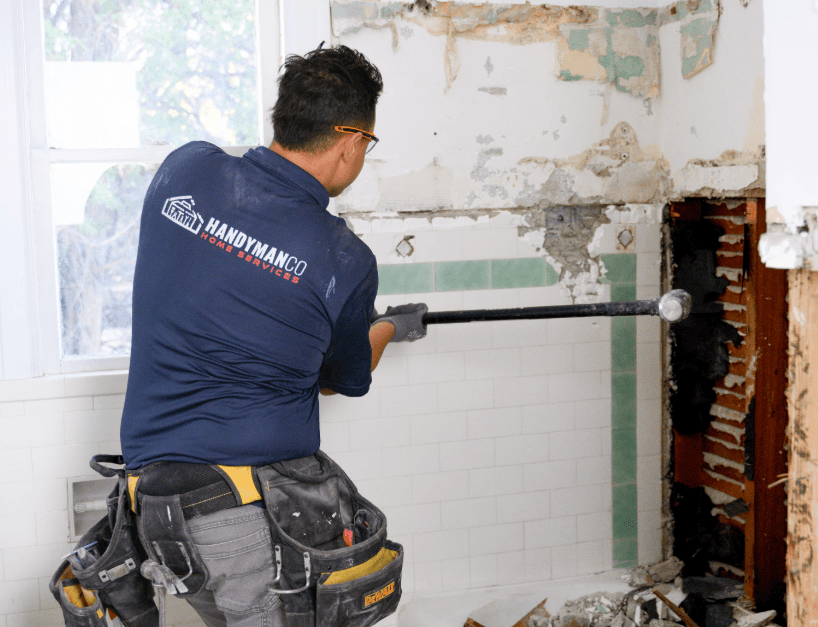
What Counts as Handyman Work vs Contractor Work
Handyman Jobs Typically Include:
Patching drywall or retexturing walls
Installing faucets, toilets, or garbage disposals
Light fixture and fan replacements
Painting, sealing, and trim upgrades
Fence and deck repairs
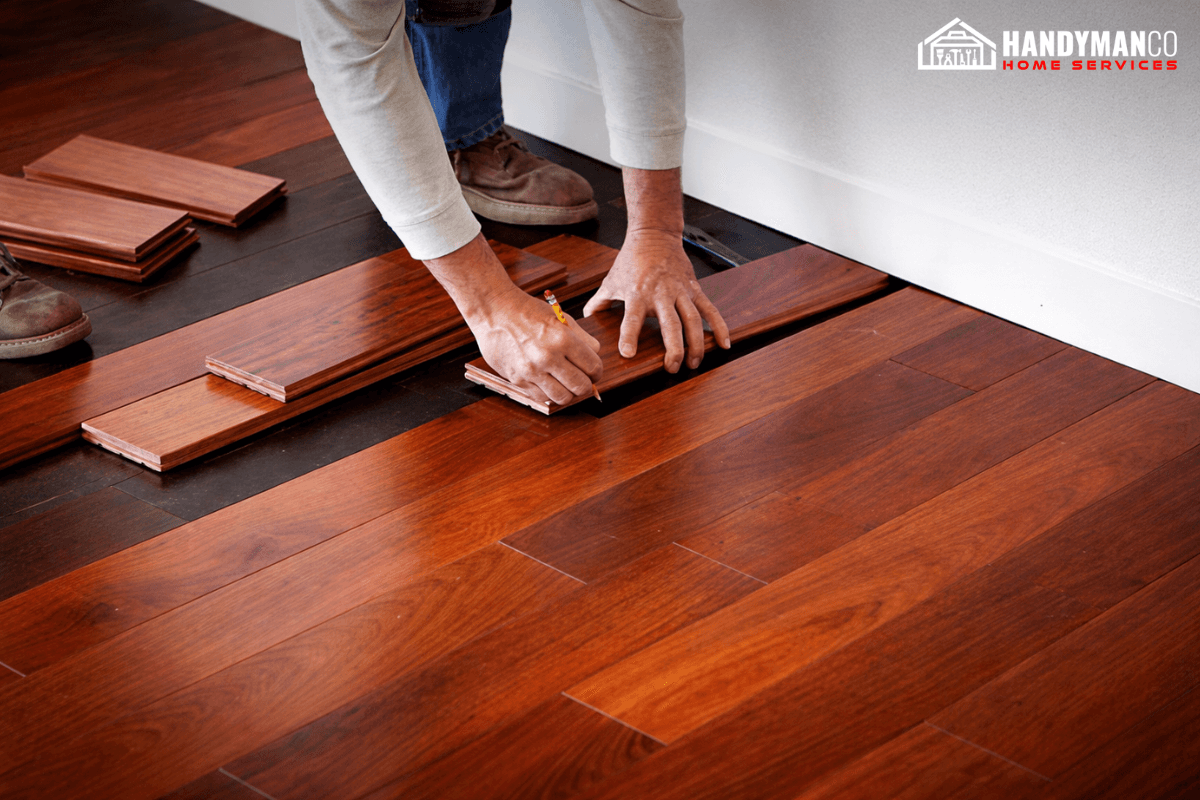
Flooring installs (laminate, vinyl, or tile)
Door and window frame repairs
Contractor Work Covers:
Full remodels (kitchens, bathrooms, basements)
Structural framing or load-bearing wall changes
Plumbing or electrical system installations
Roofing or major siding repairs
HVAC and ventilation work
Projects requiring permits or multiple subcontractors
If you need coordination across trades or anything that touches plumbing, electrical, or structure – it’s a contractor’s job.
Room-By-Room Breakdown
Kitchen:
Handyman: cabinet installs, faucet swaps, backsplash tile, painting.
Contractor: new plumbing lines, wiring, lighting upgrades, full remodels.
Bathroom:
Handyman: minor tile work, vanity install, toilet replacement.
Contractor: waterproofing, re-plumbing, vent fans, structural or layout changes.
Drywall:
Handyman: holes, cracks, and patches.
Contractor: large-scale drywall installs, multi-room finishing, or fire-rated assemblies.
Exterior:
Handyman: fence repair, paint, siding spot fixes, gutters, decks.
Contractor: full siding replacement, roofing, concrete, or structural decking.
Windows & Doors:
Handyman: install pre-hung doors, fix seals and frames.
Contractor: new construction windows, framing modifications, or full replacements.
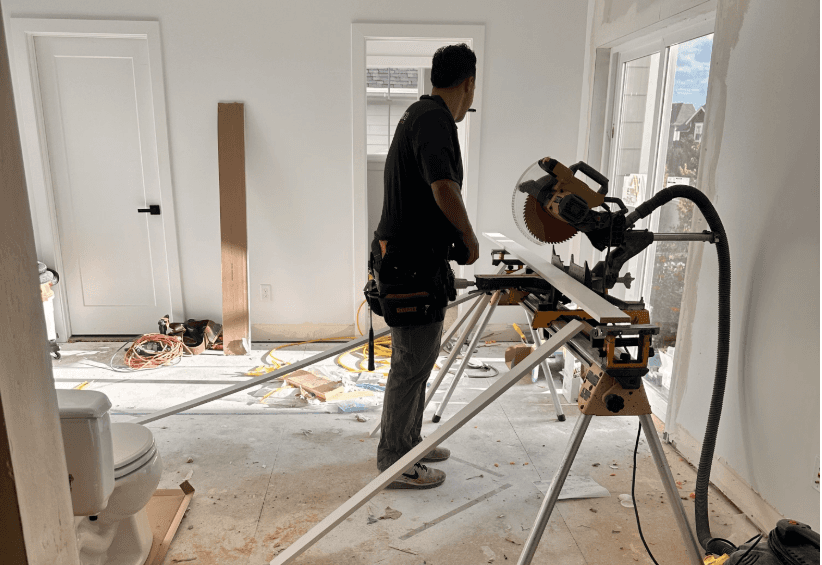
Permits, Codes & Inspections
A licensed contractor is responsible for pulling permits and coordinating inspections. Handymen legally can’t. If a project requires a permit and you hire someone who can’t pull it, you could face failed inspections, resale issues, or voided insurance.
Permits aren’t just red tape – they protect your home’s safety and value. Licensed contractors ensure compliance so you don’t get hit with fines or rework later.
Costs You Can Expect
Handymen charge less because they handle smaller, simpler jobs without the overhead of licensing and large crews. Expect $25–$50 per hour, or flat-rate pricing for common repairs.
Contractors charge $75–$150 per hour, reflecting their licensing, insurance, and regulatory responsibilities.
At HandymanCo:
Free virtual/photo estimates for most jobs
Paid consultations for DIY coaching or non-repair walk-throughs
Progress payments for remodels
Financing available up to $25K via WiseTech
You’ll always know where your money’s going – no hidden costs, no surprise markups.
Insurance, Liability, and Warranties
Licensed contractors are required to carry liability and workers’ comp insurance. If something goes wrong, homeowners are protected. Hiring uninsured help can backfire – if a worker is injured, you could be on the hook.
At HandymanCo, every job is backed by a 1-year workmanship guarantee.
We also hold an R101 Residential Remodeling License and carry $2 million in general liability insurance, giving homeowners full peace of mind that every project – big or small – is handled safely, legally, and professionally.
If something isn’t right, we fix it. It’s that simple.
The Simple Decision Framework
Here’s how to know whether it’s handyman or contractor territory:
Does it need a permit or inspection? → Contractor.
Does it involve plumbing, electrical, HVAC, or structure? → Contractor.
Is it valued over $7,000? → Contractor.
Can it be done in a day or two without a permit? → Handyman.
Do you want formal project management or just one skilled pro? → Contractor for the first, handyman for the second.
The One-Vendor Advantage
Many homeowners end up needing both. Maybe you start with a faucet leak and realize the vanity’s rotted too. A company like HandymanCo bridges both worlds – one call covers your punch list and remodels.
Seamless coordination between small fixes and big upgrades
Consistent quality and warranty
Licensed subs for regulated trades
One point of contact who always answers the phone
When your home projects escalate from “quick fix” to “bigger than I thought,” we make sure you never have to start over with a new company.
Frequently Asked Questions
Can a handyman handle multiple small projects in one visit?
Yes. Most homeowners bundle several small jobs together – like fixing a door, patching drywall, and installing a light fixture. It’s usually more cost-efficient than booking separate visits.
Do handymen need to provide written estimates?
While not legally required for small jobs, a clear written estimate protects both parties. It helps you understand scope, cost, and materials before work begins – and ensures no “surprise” add-ons later.
What happens if a handyman discovers a bigger issue mid-job?
If the repair reveals a hidden problem (like electrical wiring behind a wall), the handyman should pause work and recommend a licensed contractor for that portion to stay within legal scope and safety standards.
How do I verify a contractor or handyman’s credentials in Utah?
You can search the Utah DOPL database by name or license number. Always confirm active status and insurance before hiring.
Not Sure What Your Home Really Needs?
We’ll look, assess, and quote with licensed, guaranteed work.
Conclusion
At the end of the day, understanding the difference between a handyman and a contractor is about knowing who’s right for the job.
Smaller fixes, quick repairs, and touch-ups usually fall under a handyman’s skillset. But when your project starts crossing into plumbing, electrical, or structural territory, that’s when a licensed contractor should take the wheel.
Knowing the difference keeps your home safe, your costs predictable, and your projects stress-free.
If you’re unsure where your project fits, we can take a look and point you in the right direction. Get a free online quote today – whether it’s a small fix or a full remodel, we’ll make sure it’s handled properly from the start.


RemodelCo is the go-to remodeler in Salt Lake City for everything from basement finishes, kitchen remodels, bathroom remodels to small repairs. Reliable, responsive, and built on quality craftsmanship.
Join our team
Get A Free Quote
9480 S Union Square, Suite 203, Sandy, UT 84070
Services
Interior Services
Exterior Services
Real Estate Pros
Consulting
© Copyright
RemodelCo LLC All Rights Reserved.