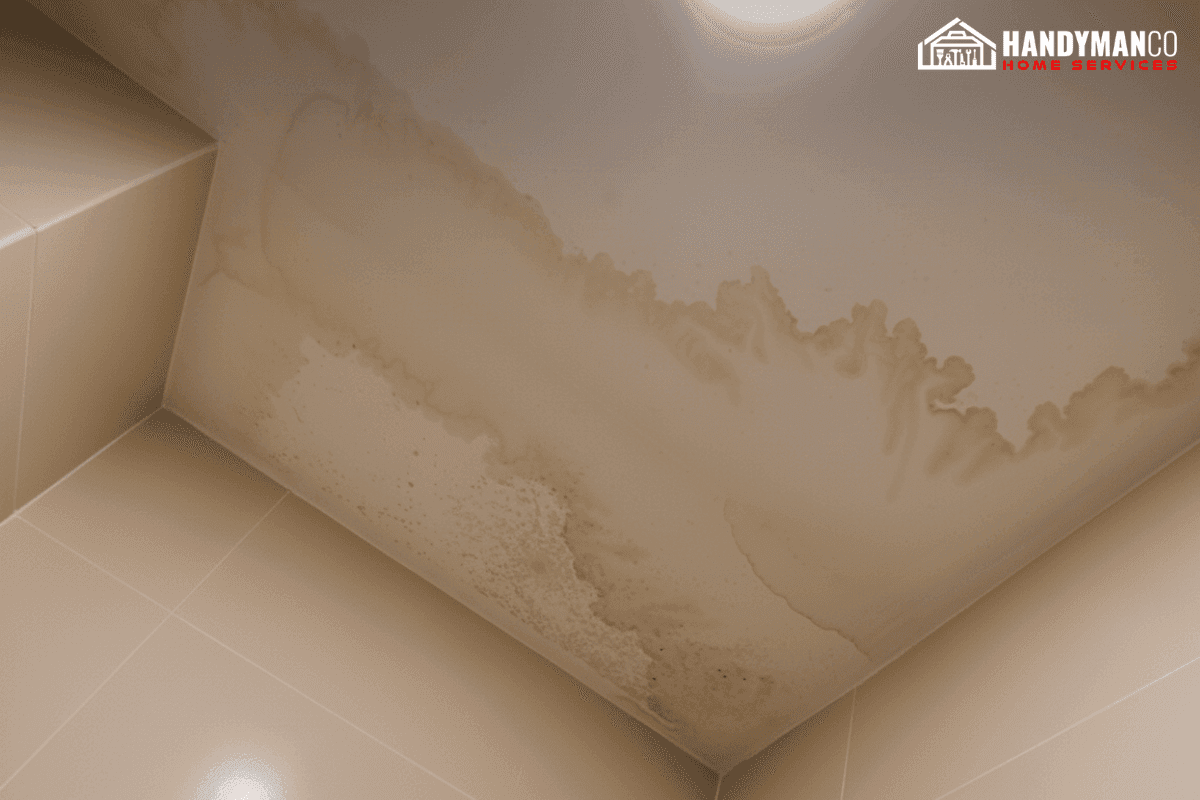
A dripping tap, a damp patch on the ceiling, or that faint musty smell you can’t quite place – water leaks have a sneaky way of showing up when you least expect them.
They’re small at first, but over time, even a slow leak can cause real damage.
We’ll break down how to prevent water leaks in your home, spot the early signs, and protect your property before problems spread.
Key Notes
Monthly DIY checks under sinks and yearly professional plumbing inspections prevent costly damage.
Keep water pressure 40-60 psi and insulate exposed pipes to avoid stress leaks.
Smart sensors and shutoff valves catch hidden leaks before major damage occurs.
Clean gutters twice yearly and seal foundation cracks to block water entry points.
Common Causes of Water Leaks
Plumbing System Failures
Old, corroded, or improperly installed pipes are at the root of most household leaks. High water pressure, worn seals, or loose joints also contribute.
Over time, pipes naturally degrade, especially if your water supply has high mineral content.
Fixtures and Appliances
Leaky taps, showerheads, and running toilets waste gallons every day. Appliances like dishwashers and washing machines can also leak from cracked hoses or loose fittings.
These are often simple fixes if caught early.
Roofing and Gutters
Roof leaks tend to creep in after storms or years of neglect. Damaged tiles, cracked flashing, or blocked gutters allow rainwater to pool and eventually seep into ceilings or walls.
Structural and Exterior Weak Points
Cracks in your foundation, damaged siding, or poorly sealed windows create easy entry points for water. When water isn’t directed away from the home, it slowly erodes surfaces and seeps inward.
Hidden and Seasonal Factors
Frozen pipes, underground leaks, or worn outdoor stop taps can appear only during extreme weather. As temperatures fluctuate, expansion and contraction can stress older pipes until they crack.
Preventive Maintenance: How to Prevent Water Leaks in Your Home
Routine Inspection Checklist
Monthly, take a quick tour of your home. Check under sinks, around toilets, and near appliances for any dampness, rust, or corrosion.
Once a year, have a licensed plumber inspect visible pipes, joints, and shutoff valves. It’s cheaper than replacing half your drywall later.
Smart Leak Prevention Technology
Today’s leak detectors can catch drips before you can. Smart sensors and automatic shutoff valves send alerts to your phone if water is detected where it shouldn’t be – saving you from costly surprises.
Plumbing Protection Measures
Insulate exposed pipes in basements, garages, and crawl spaces to prevent freezing. Keep water pressure between 40–60 psi to reduce stress on joints. Replace old rubber hoses with steel-braided lines on washing machines and dishwashers.
Roof and Gutter Care
A clogged gutter is a hidden enemy. Clean gutters and downspouts at least twice a year to prevent overflow. Check flashing around vents, chimneys, and skylights for cracks or gaps that let water in.
Wall and Foundation Waterproofing
Seal any exterior cracks promptly using high-quality sealants or hydraulic cement. Ensure the ground slopes away from your home – even a small dip can cause water to pool near the foundation.
Consider applying breathable waterproof coatings to exterior walls.
Appliance and Fixture Maintenance
Replace worn washers or O-rings on taps and valves. Inspect hose connections behind dishwashers, washing machines, and refrigerators every six months.
A five-minute check can prevent a major cleanup later.
Winter and Weatherproofing Prep
Before freezing temperatures hit, disconnect outdoor hoses and shut off external taps. Wrap exposed pipes with foam insulation or heat tape to avoid winter bursts.
Detecting Hidden Leaks Early
Not all leaks announce themselves. Try these DIY detection methods:
Water meter test: Turn off all water use and check if the meter still moves.
Food coloring test: Add dye to your toilet tank – if it seeps into the bowl, you have a leak.
Touch and listen: Feel walls for cool, damp spots and listen for hissing or dripping.
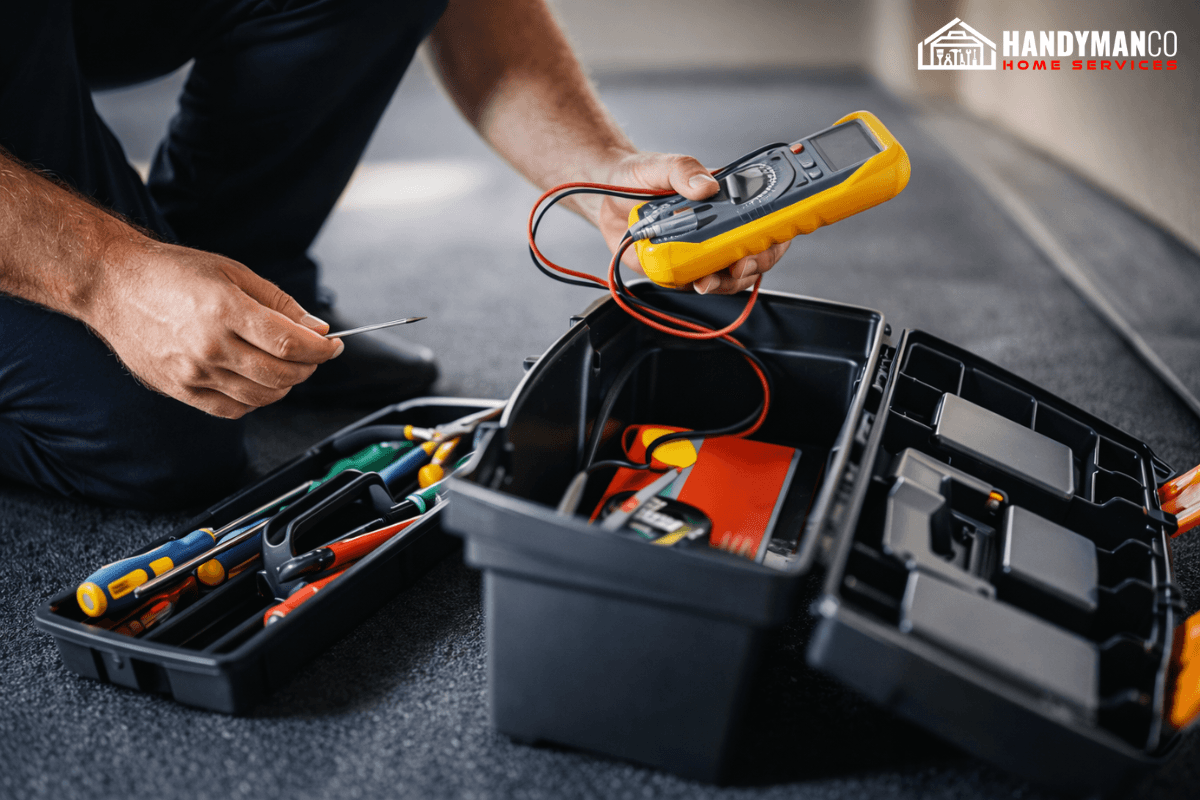
Professionals can go further with tools like thermal imaging or acoustic sensors, which pinpoint moisture behind walls without cutting them open.
Many homeowners now install smart leak sensors that monitor usage and detect anomalies automatically.
What To Do If You Find a Water Leak
Immediate Steps
Shut off your main water supply.
Turn off electricity in affected areas for safety.
Use towels or buckets to contain the water.
Don’t poke bulging ceilings – they could collapse.
Document and Repair
Take photos or videos for insurance purposes.
Then call a licensed plumber or handyman depending on the issue. Minor faucet drips? A handyman can usually handle that. A burst pipe or hidden leak? Call a plumber immediately.
After Repairs
Monitor the area for recurring dampness and watch for mold growth over the next few weeks. It’s better to catch lingering moisture early.
Insurance, Coverage & Claims
Most homeowners insurance covers sudden and accidental leaks but not gradual wear or neglect. Known as “escape of water” coverage, it typically includes:
Repairs to structural damage (floors, walls, ceilings)
Limited coverage for damaged contents
Trace and access (finding hidden leaks)
Keep These In Mind:
Report the leak promptly.
Take photos and retain all receipts.
Avoid permanent repairs until your insurer assesses the damage.
Maintenance-related leaks may not be covered, so regular upkeep protects both your home and your policy eligibility.
DIY vs. Professional Leak Prevention
There’s plenty you can do yourself: tighten fittings, check water bills, clean gutters, reseal joints, and inspect hoses. But when leaks hide behind walls, floors, or foundations, it’s time for professionals with thermal imaging and pressure testing equipment.
Long-Term Leak Prevention Strategy
Combine regular maintenance with technology and professional support:
Schedule annual plumbing and roof inspections.
Keep gutters clear and drainage flowing away from your home.
Know your main shutoff valve location.
Install smart sensors in high-risk areas.
Maintain proper ventilation to prevent internal moisture buildup.
Upgrade to waterproof coatings or sump pumps in basements if needed.
Think of it as your home’s defense plan: consistent checks, smart monitoring, and trusted professionals ready when you need them.
Frequently Asked Questions
How often should I check my home for water leaks?
A quick monthly inspection of sinks, toilets, and visible pipes helps catch small leaks early. For older homes, a full professional plumbing check once a year is a smart move.
Can high water pressure cause leaks?
Yes. Pressure that’s too high strains joints and seals, eventually leading to leaks. Use a simple gauge to keep pressure between 40–60 psi and install a regulator if needed.
What’s the best way to find hidden leaks in walls?
Look for discolored patches, musty smells, or cool spots on drywall. If you’re unsure, professional leak detection using thermal imaging or acoustic sensors can locate the exact source.
Are water leaks covered under home insurance?
Sudden, accidental leaks usually are, but gradual damage from neglect often isn’t. Always report leaks quickly, document everything, and review your “escape of water” coverage details.
Got A Leak Or Water Damage Concern?
Get honest advice and repairs tailored to your home.
Conclusion
Water leaks rarely start as disasters – they build up slowly, in places most don’t think to look.
The best way to prevent water leaks in your home is by staying ahead of them: keeping gutters clear, checking fixtures regularly, insulating pipes before winter, and paying attention to subtle warning signs like stains, musty smells, or low water pressure.
With consistent maintenance and a few smart tools, you can protect your home from costly damage and wasted water.
If something looks or sounds off, get a free online quote today. A quick visit from our licensed team can help identify hidden leaks, repair issues before they spread, and give you peace of mind knowing your home’s protected year-round.

RemodelCo is the go-to remodeler in Salt Lake City for everything from basement finishes, kitchen remodels, bathroom remodels to small repairs. Reliable, responsive, and built on quality craftsmanship.
Join our team
Get A Free Quote
9480 S Union Square, Suite 203, Sandy, UT 84070
Services
Interior Services
Exterior Services
Real Estate Pros
Consulting
© Copyright
RemodelCo LLC All Rights Reserved.