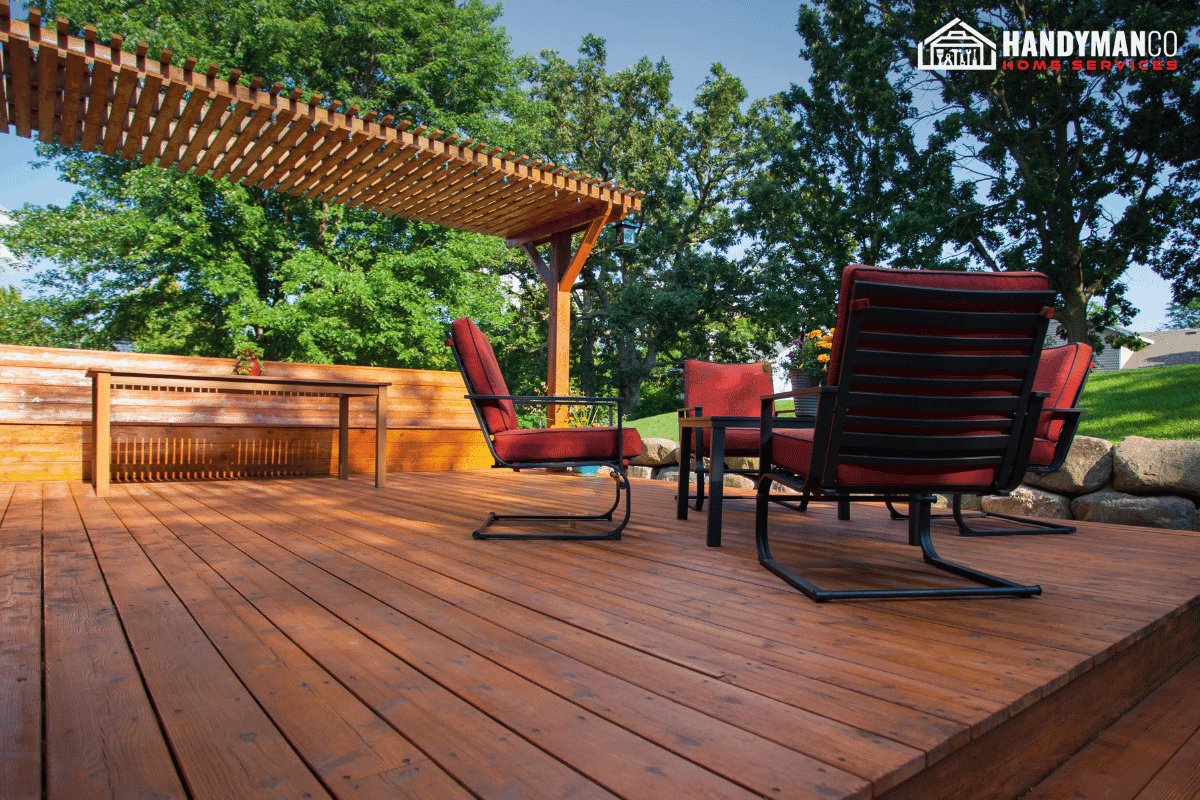
A worn or wobbly deck doesn’t always mean it’s time for a teardown, but it might.
The real challenge is knowing when a few fixes will do the trick and when the structure underneath has had its day. Age, rot, and safety all play a role, but so does cost and how long you plan to stay in your home.
Here’s how to tell whether to repair or replace your deck.
Key Notes
If repairs cost 40-50% of replacement or the deck exceeds 20 years, rebuild.
Ledger and flashing failures are the top structural concerns requiring full replacement.
Minor board swaps extend life 3-5 years; structural rot demands a complete rebuild.
Annual inspections and resealing every 1-3 years prevent costly damage.
Quick Answer: Repair or Replace?
If the damage is minor and the frame is solid, repair it. If the structure is compromised, the damage is widespread, or the deck is 20 years or older, replacement is usually the safer and smarter call.
A simple rule of thumb: If projected repairs are approaching 40–50% of the cost of a rebuild, or they will only squeeze out a couple more years, rebuild. Safety and code compliance always come first.
How To Evaluate Your Deck Safely
Before you decide, inspect the whole system, not just what you can see from the top.
Surface Boards
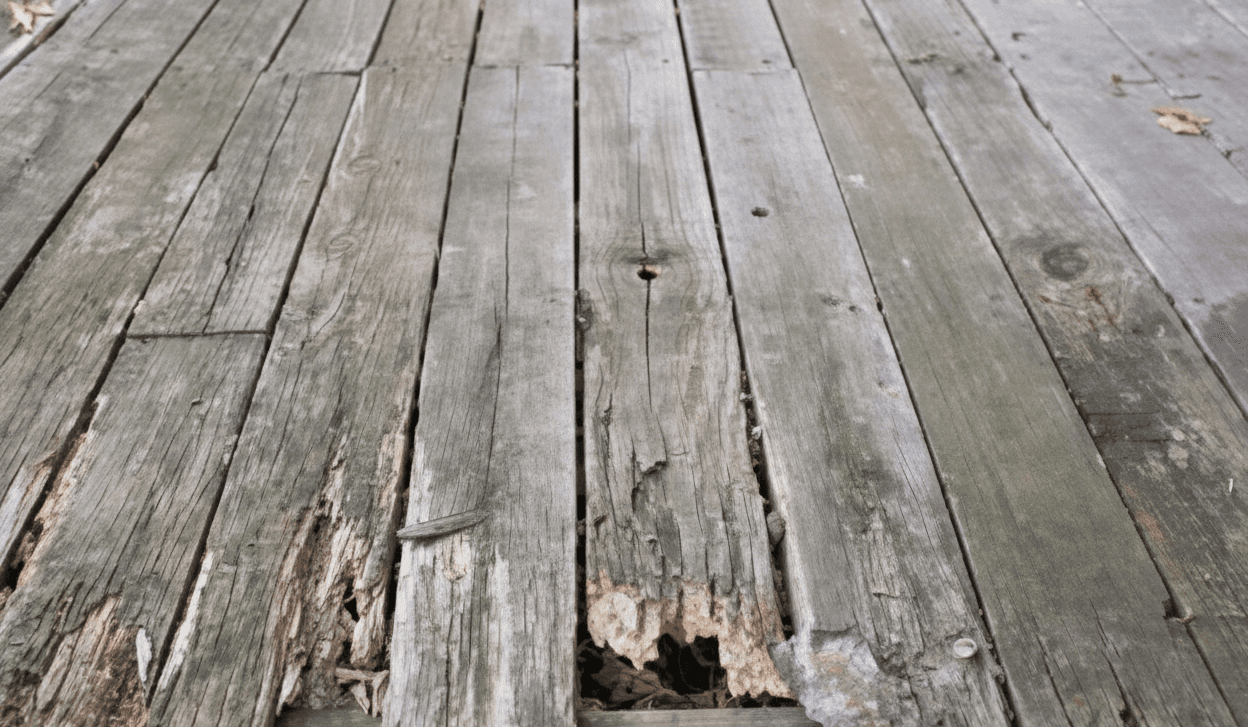
Walk the deck. Look for cracked, spongy, or deeply splintered boards. Mark tripping hazards and protruding fasteners.
Railings and Stairs
Push, pull, lean. Railings should be rock solid and at the correct height for your area. Check stair stringers for cracks or bounce, and confirm handrails are secure.
Joists, Beams & Posts
Get underneath with a flashlight. Probe suspicious areas with an awl or screwdriver. Look for dark staining, soft spots, fungal growth, and crushed fibers at connections.
Ledger and Flashing
Where the deck connects to the house is the number one failure point. If the ledger is pulling away, the flashing is missing or damaged, or you see moisture staining, stop. That is a replacement conversation, not a patch.
Footings and Soil
Check for cracked piers, heaving, sinking, or tilted posts. Posts should not sit in soil without proper bases or brackets.
Hardware and Fasteners
Rusted hangers, lag bolts backing out, nails lifting, or widespread corrosion indicate deeper issues. Replace corroded connectors and upgrade to exterior-rated hardware.
Drainage and Ventilation
Look for standing water and tight, unventilated spaces under the deck. Trapped moisture is the fastest path to rot.
Pests
Termite frass, ant galleries, bored holes, or hollow-sounding wood are red flags.
Tools & Tips for Your Inspection
Bring a tape measure, torx, headlamp, pry bar, and a marker. Photograph problems for quotes. If you are unsure whether something is cosmetic or structural, assume it is structural until a pro confirms otherwise.
When Repair Makes Sense
Choose deck repair when the structure is stable and problems are local, clear, and fixable.
Good Candidates For Repair
A handful of cracked or splintered deck boards while joists and posts are solid
Loose or missing fasteners and hangers that can be tightened or replaced
Limited surface rot that has not migrated into framing
Cosmetic problems like fading, minor cupping, or small trip lips
Sound, level framing that already meets code
What To Expect From A Repair
Lifespan extension of roughly 3–5 years for a well-executed repair set
Faster turnaround and lower immediate cost
Some visual mismatch if new boards sit next to weathered ones
Costs and Scope
Typical small repair projects include board swaps, hardware refresh, localized rot cut-out, and patching
Ballpark ranges vary by size and materials, but simple board and fastener work often lands in the hundreds to low thousands. Structural fixes on a single post or joist can push higher.
Pro Tip:
If you are replacing boards only, inspect every exposed joist top as you go. If a joist is soft at fasteners, darkly stained, or out of level, pause and reassess.
A board-only plan may need to become a framing repair.
When You Should Replace The Deck
There are conditions where replacement is the only responsible answer.
Automatic Rebuild Triggers
The deck sags, leans, or wobbles as a unit
Pervasive rot in joists, beams, or posts, especially at ground contact
A ledger that is loose, poorly fastened, or lacking proper flashing
Cracked, split, or badly warped beams and joists that will not hold fixings
Widespread corrosion or loosening of connectors and hangers
Uneven joists across large spans, visible with a level
Age and Compliance
Wood decks past 20 years are often due for retirement, particularly if maintenance has been light.
If railing heights, footings, or flashing cannot be brought to current standards with sensible effort, rebuilding is typically simpler, safer, and more cost-effective long term.
Replace Boards Only vs Rebuild The Frame
Resurfacing can be great when the skeleton is sound.
Resurface When…
Posts are plumb and solid, beams and joists are straight, connections are tight
Ledger is properly flashed and secure
The frame is code-compliant for spans and loads
Prep Pitfalls
New boards often have mill glaze and do not take stain uniformly until properly prepped
Match thickness and spacing to avoid awkward steps at transitions
Use fasteners compatible with both the board material and pressure-treated framing
Blending Old With New
Clean and sand old boards before staining
Semi-solid or solid stains help unify appearance
Expect some variation. That is normal and often acceptable if safety and performance are there
If the frame is even a little suspect, do not dress it with new boards. Resurfacing is a finish solution for a frame that is already right.
Hidden Problems Homeowners Miss
These are the problems we often find on site that turn a quick fix into a real project:
Subsurface rot under the pretty top. Always check the undersides and joist pockets
Corroded fasteners that look fine from the surface but are rusted thin inside hangers
Flashing failures at the house connection that funnel water straight into your rim joist
Poor ventilation, so the moisture never dries. Especially common on low decks near grade
Pests quietly compromising posts and beams
Undersized or damaged framing inherited from an older build
Early detection saves money. Bring a light and get low.
Safety, Permits, and Code Updates
Modern codes push for safer, longer-lasting decks. That is good news for you and your guests.
Railing and guard basics: Most jurisdictions call for 36-inch minimum heights for decks above 30 inches. Some require more. Check local rules.
Load and spans: Updated span tables can change joist size requirements, hanger specs, and post spacing. Old decks often fall short here.
Footings: Proper depth, diameter, and uplift connections matter. Many older decks lack this foundation.
Ledger flashing: Metal flashing and sealing at the house tie-in is non-negotiable. If you do not see it, assume it is wrong.
Electrical: Any outlets near the deck should be GFCI-protected, and lighting should be safe and weather-rated.
Permits: Minor repairs may not require a permit. Structural changes, ledger work, and full replacements usually do. Always check first.
Sometimes it is faster to rebuild to the current code than to chase a dozen small noncompliant items.
Materials Guide & Lifespan
Choosing materials is not only about looks. It is also about maintenance and lifespan.
Wood Decking
Pressure treated: Lowest cost, 10 to 15 years typical with upkeep
Cedar or redwood: Warmer look, 15 to 20 years with care
Tropical hardwoods: Durable and beautiful, can push 20 plus years but are harder to work and pricier
Composite and PVC
Composite: Low maintenance, consistent look, often 25 to 30 years
PVC: Highest moisture resistance, 30 plus years, light and stable, premium cost
Hardware and Details
Use exterior-rated fasteners and connectors designed for contact with treated lumber
Choose flashing that will not react with preservatives
Consider slip resistance, heat retention in sun, and color fade over time
Short version: Wood costs less up front but needs regular cleaning and sealing. Composite and PVC cost more now, but cost less to live with.
DIY vs Professional
DIY Friendly
Individual board replacement when framing is confirmed sound
Hardware refresh, cleaning, sanding, and resealing
Small cosmetic fixes that do not touch structure
Call A Pro
Anything ledger-related
Posts, beams, joists, or footings
Railings and stairs that need structural work
Releveling or reframing
It is not only about tools. It is about liability, code, and the confidence that a repair will hold up for seasons.
Timeline and What To Expect
Typical Durations
Board only replacement on a small area: 1 to 2 days
Moderate repair with some framing: Several days to a week
Full rebuild: From a week to multiple weeks depending on scope, features, and inspections
Preventive Care To Extend Deck Life
Clean regularly. Remove leaves, dirt, and debris that trap moisture
Use deck-specific cleaners. Skip harsh bleach that damages fibers
Reseal or stain every 1 to 3 years depending on exposure and product
Keep gaps clear for drainage and airflow under the deck
Swap rusted fasteners and treat early cracks before water gets in
Use furniture pads and lift planters to allow airflow
Do an annual inspection to catch small issues early
A few hours of upkeep beats a month of rebuild every time.
Frequently Asked Questions
How often should I have my deck professionally inspected?
Every 1–2 years is ideal, especially before and after winter. A pro inspection catches hidden structural damage, rot, or fastener issues that might not be visible to homeowners.
Can I repair a deck in winter or colder months?
Minor repairs are possible, but sealing and staining don’t cure properly in freezing temperatures. Full rebuilds or finishing work are best scheduled for spring through early fall.
What’s the best way to test if deck wood is still solid?
Press a screwdriver or awl into the wood—if it sinks easily or feels soft, rot has set in. Check several spots, especially around posts and joist ends where moisture lingers.
Will repairing my deck increase my home’s resale value?
Yes, even targeted repairs that improve safety and appearance can make a strong first impression on buyers. A well-maintained deck signals that the rest of the home has been cared for too.
Not Sure What Your Deck Really Needs?
We’ll inspect, repair, or rebuild – whatever gets it safe and solid again.
Conclusion
A deck is one of those home features that quietly takes a beating from weather, wear, and time. And eventually, every homeowner faces the same question: repair or replace deck?
The answer depends on what’s hiding beneath the surface. If your structure is solid and the issues are skin-deep, smart repairs and sealing can buy you years of safe use. But if posts are soft, rails are loose, or the ledger’s pulling from the house, it’s time to start fresh.
If you’re unsure where your deck stands, get a free online quote. We’ll take a look, tell you what’s worth saving, and give you options that make sense for your home and your budget.


RemodelCo is the go-to remodeler in Salt Lake City for everything from basement finishes, kitchen remodels, bathroom remodels to small repairs. Reliable, responsive, and built on quality craftsmanship.
Join our team
Get A Free Quote
9480 S Union Square, Suite 203, Sandy, UT 84070
Services
Interior Services
Exterior Services
Real Estate Pros
Consulting
© Copyright
RemodelCo LLC All Rights Reserved.